Competition-specific evidence
The event format, opposition, conditions and relevant time period should be established before comparing results or drawing conclusions about performance.

Independent sports publication Context-driven analysis
Compare sporting performances
Specialist sports analysis
Tactical decisions, physical demands, technical execution and competition conditions all influence what happens in sport. Our specialist coverage examines these factors in context rather than reducing complex performances to a single headline statistic.
Specialist sports analysis goes beyond routine match reporting. A useful assessment identifies the competition context, explains the evidence behind its conclusions and distinguishes observable events from tactical interpretation. Statistics, video observations and reported information each have limitations that should remain clear.
Analysis standards
The event format, opposition, conditions and relevant time period should be established before comparing results or drawing conclusions about performance.
Statistics should have clear definitions, consistent measurement periods and an explanation of what they reveal about an athlete or team's contribution.
Tactical and technical observations should connect to identifiable actions, sequences or documented competition footage rather than unsupported assumptions.
Reporting should identify its sources, distinguish confirmed information from commentary and acknowledge when available evidence does not support a definitive answer.
Explore the technical questions, competitive factors and supporting evidence that help explain performances across different sporting disciplines.
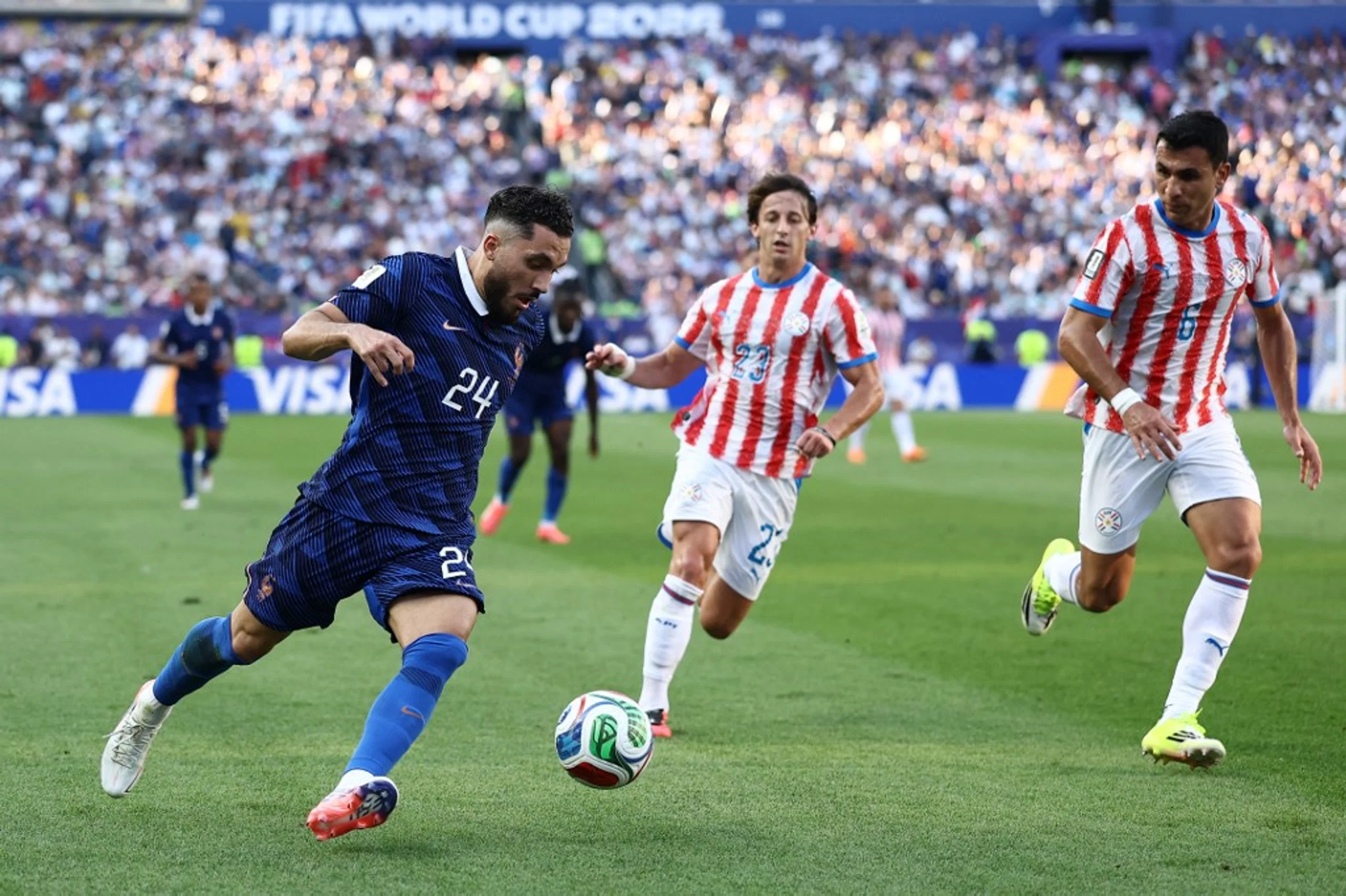
Scoring totals, possession figures, shooting percentages and efficiency measures can reveal important patterns, but none provides a complete account on its own. Consider sample size, opponent strength, playing time and the precise definition of each indicator before comparing athletes or teams.
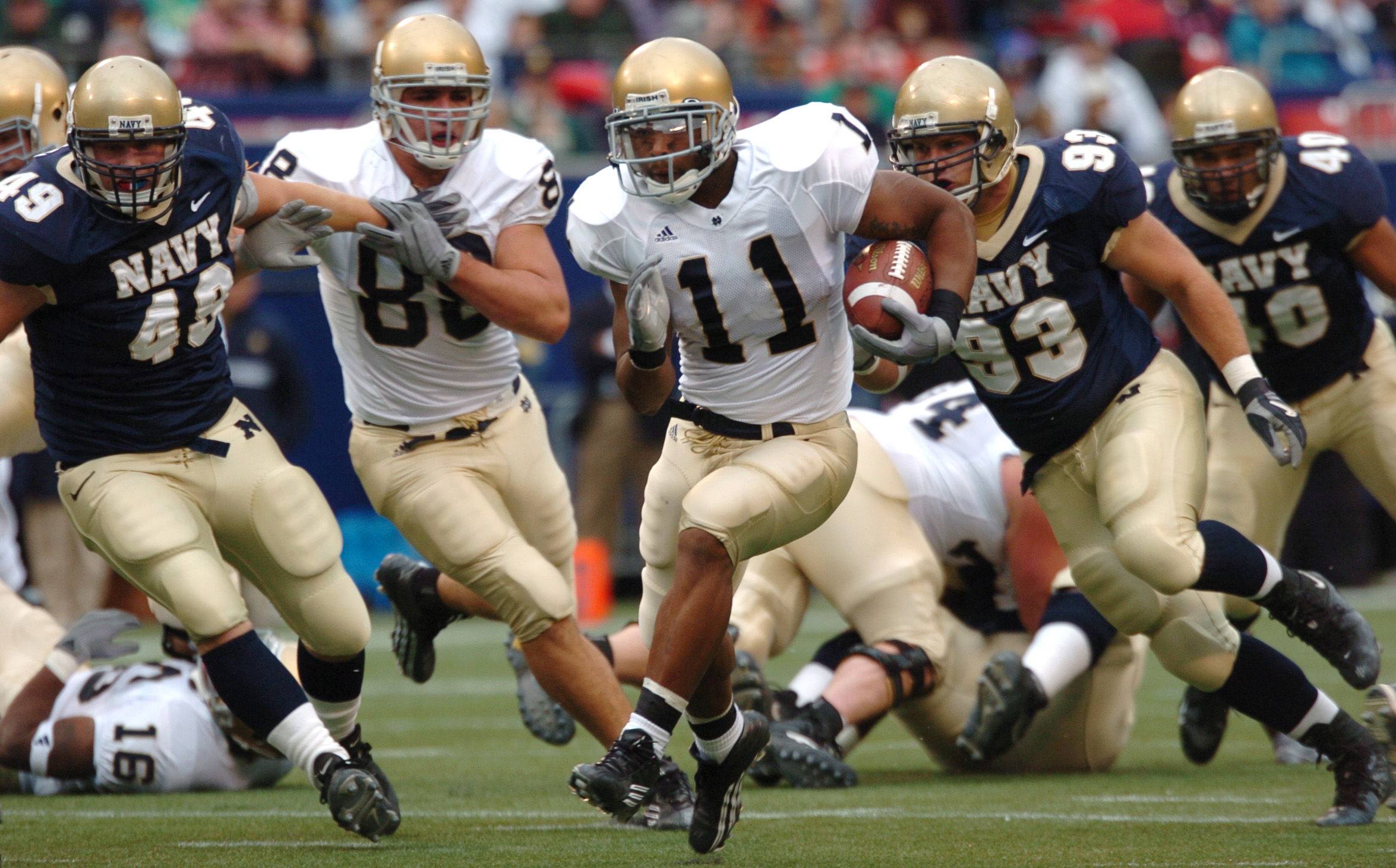
Formations, spacing, transitions, pressing intensity and player roles influence how teams approach a contest. Our analysis considers how tactical plans develop during competition, which adjustments are visible and how opponents respond to changes in strategy.

Athletic output can vary with event demands, recovery intervals, competition schedules and environmental conditions. We examine reported performance indicators and the context around them without treating isolated measurements as a complete assessment of fitness, readiness or future results.

Qualification rules, draw structure, tie-break procedures and schedule changes can all affect the significance of a result. Reliable tournament reporting explains the applicable format, tracks confirmed developments and separates completed outcomes from scenarios that remain undecided.

Eligibility requirements, officiating decisions, equipment regulations and discipline-specific rules can shape competition outcomes. Our coverage explains relevant standards where they affect a sporting story and makes clear when an interpretation depends on the governing body's published rules or an official decision.